

On a made-to-order gown, two things are yours to choose at the point of ordering: the size — either a standard size or your own measurements — and the colour, from the chart shown on the product page.
Everything beyond that, including sleeves, necklines and slits, is a change to the pattern rather than a selection.
Pattern changes are often possible, but they are not a checkbox. They have to be agreed with us before you order, because whether a particular change works depends on how that specific gown is constructed.
| Choose yourself | Standard size or Custom Size; colour from the product page chart |
| Ask about first | Adding or removing sleeves, changing sleeve length, adding or closing a slit, altering a neckline |
| Also ask first | Making a gown from a photograph you send us |
| How to ask | Email service@cocosbride.com with the style number and what you want changed |
The rule worth remembering: start the email conversation 2-4 weeks before you intend to order. A design change has to be confirmed before the gown enters production, and agreeing it first is what keeps the change from becoming an alteration later.
What can you change yourself when you order?
Two things, both on the product page, and both worth getting right because they define everything the pattern is built on.
Standard size or Custom Size
Every product page has a size selector with standard sizes and a Custom Size option. Choosing Custom Size replaces the dress size with five measurements: bust, waist, hips, hollow to floor, and barefoot height.
Those five figures are what the gown is cut from. Take them over the underwear you plan to wear, and add the heel height you expect to be in when you note the hollow-to-floor figure.
Colour, from the chart on the page
Product pages list the available colours and show a fabric colour chart, so you can see the shade on the actual material rather than as a swatch of screen colour. Not every colour is offered on every style, because it depends on the fabric.
If you are matching something specific — a bridal party palette, or a second gown — ask before ordering rather than judging from a photograph.

Why size and colour are self-service but design is not
Size and colour are variations the pattern already accounts for. A design change alters the pattern itself, and whether it works depends on the construction of that individual gown — where its seams fall, how the bodice is supported, and what the fabric will take.
Which design changes are possible, and how do they work?
These are the changes brides ask for most often. All of them are worth asking about; none of them can be promised sight unseen.
Sleeves: adding, removing, lengthening, shortening
Adding sleeves to a strapless or sleeveless gown, removing sleeves from a covered one, turning long sleeves into short ones or short into long — these are the most commonly requested changes, and the most often possible.
The constraint is usually the armhole and the fabric. Adding sleeves to a strapless bodice means building an armhole that was never drafted, and matching lace or appliqué across a new seam.
Slits: adding one, or closing one
A front or side slit can often be added to a straight skirt, and an existing slit can often be reduced or closed. Both change how the skirt hangs, so the answer depends on how the skirt is cut and lined.
Necklines
Raising a neckline, changing a V to a sweetheart, or adding an illusion panel are all pattern changes to the most structural part of the gown. On a strapless or fitted bodice the neckline is doing support work, which is why this one is assessed case by case.
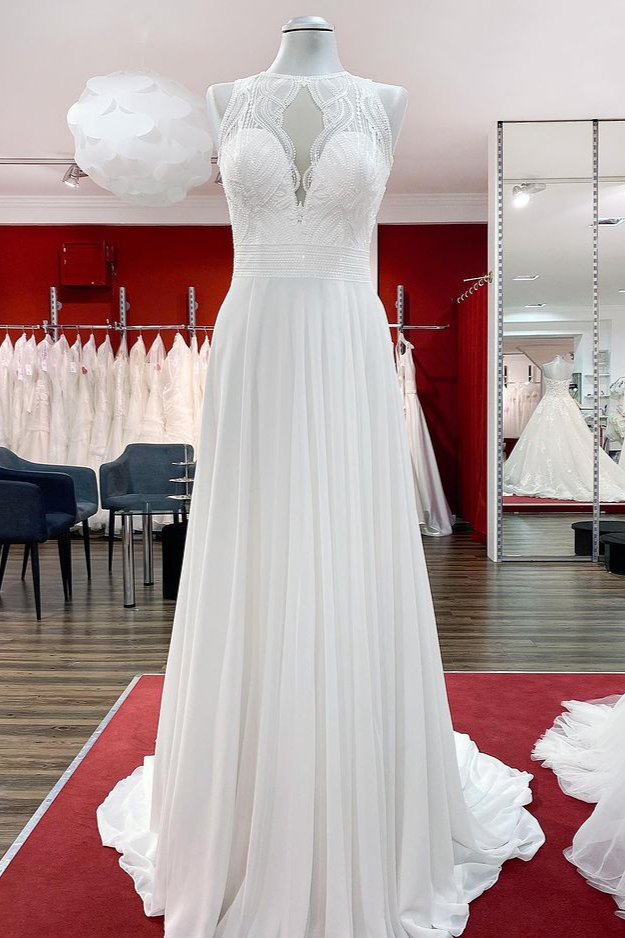
Making a gown from a photograph
If you have a picture of a dress you love, send it. We will tell you whether it is something we can make, what it would involve, and what it would cost — before you order anything.
Be realistic about what a photograph can convey: send several angles if you have them, and say which elements matter most to you, because those are the ones worth protecting if a compromise is needed.
How do you actually ask for a design change?
One email, before you order. The sequence matters more than the wording.
Email before you buy, not after
Send your request to service@cocosbride.com before placing the order. Once a gown is in production the change becomes an alteration, which is a different job with a different cost.
What to include
Give the style number or product link, say exactly what you want changed, and attach a reference photograph if you have one. If several things are changing, list them — the combination sometimes matters more than any single change.
What you get back
An answer on whether it is possible for that specific gown, what it would involve, and any cost. Some requests are straightforward, some need a compromise, and some are not workable on a particular style — and it is better to hear that before you have paid.
Then order as agreed
Once the change is confirmed, place the order in the way you have been told to, so the note reaches production with your gown. This is the step where an unrecorded verbal agreement goes wrong, so keep it in writing.
The COCOSBRIDE Difference: why every change starts with a conversation
We could put a list of modifications on every product page. We do not, because it would be untrue — the same change is straightforward on one gown and impossible on another, and the difference is in the construction rather than the style name.
What we can do is answer the question for a specific dress before you commit. That is a real advantage of made-to-order production: the gown does not exist yet, so there is a point at which changes are still cheap.
It is also the older way of buying formal clothes. Writing about the couture houses, the V&A describes a trade built on "the fitting rooms and ateliers" before fashion moved "into the streets and boutiques". The conversation before the making is the part worth keeping.
Browse wedding dresses to find a style first, then email. If you have not settled on a category yet, every dress category we make is the quickest place to start.
Shop the Look: Styles That Take Design Changes Well
Each of these is made to order. The notes are about what tends to be straightforward on that kind of construction — always confirm by email for the specific gown.

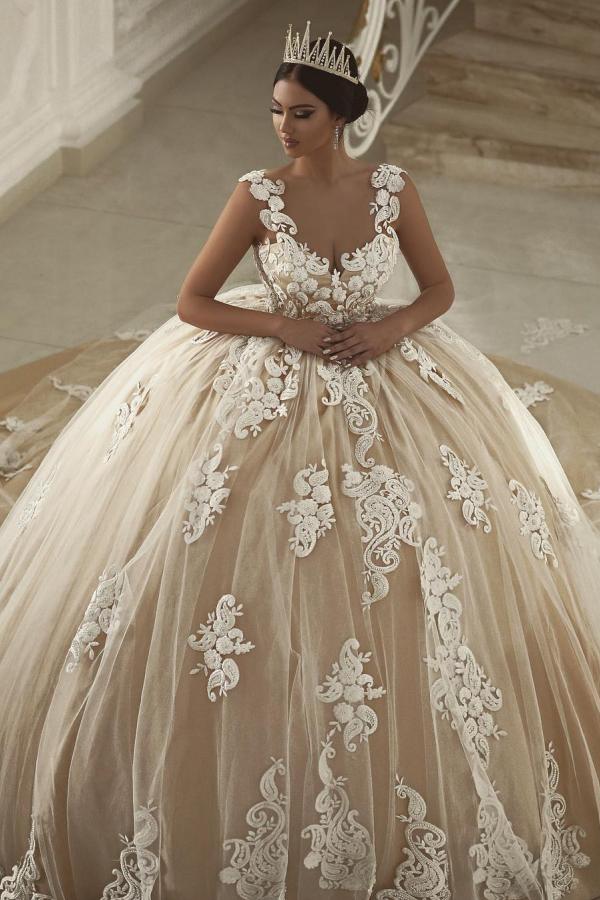

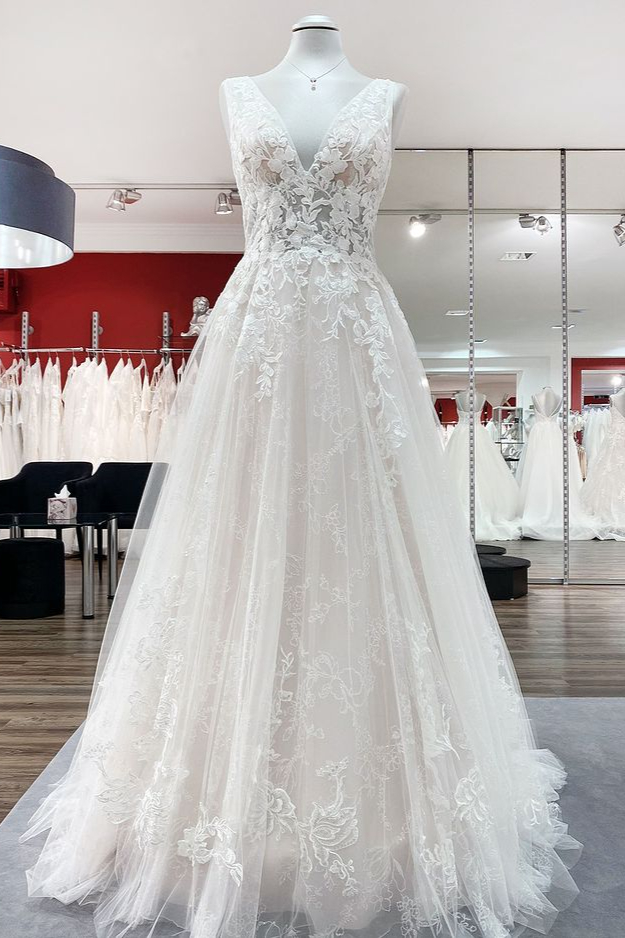


If you are still deciding whether to buy made to order at all, the background is in our explainer on what made-to-order actually means.
And if the change you want is removable rather than permanent, detachable sleeves and overskirts may be the better answer — see wedding dresses with detachable skirts.
Frequently Asked Questions
Can I have sleeves added to a strapless wedding dress?
Often yes, but it has to be confirmed for the specific gown before you order. Adding sleeves means building an armhole the pattern never had, and matching any lace or appliqué across the new seam.
Can I change the neckline of a dress I like?
Sometimes, and it is assessed case by case. On a strapless or fitted bodice the neckline is doing structural work, so changing it affects how the dress is supported rather than just how it looks.
Can a slit be added or removed?
Both are often possible, because a slit changes how the skirt hangs rather than how the bodice is built. The answer depends on how that particular skirt is cut and lined.
Can you make a dress from a photo I send?
Send it to service@cocosbride.com and we will tell you whether it is something we can make, what it would involve and what it would cost. Several angles help, and so does saying which details matter most to you.
How do I request a design change?
Email service@cocosbride.com before you place the order, with the style number and exactly what you want changed. Once a gown is in production the same request becomes an alteration, which is a different job.
What can I choose without asking anyone?
Size and colour. Every product page has a size selector including a Custom Size option, and a colour chart showing the shades available in that fabric.
Where do I start if I want a custom wedding dress?
Pick a style from the wedding dresses collection first, then email with the style number and your changes.
About the Author
Elena Marsh is a bridal and formalwear writer specialising in wedding dress construction, detachable and convertible design, silhouette selection, and made-to-measure fit. She writes practical shopping guides that help readers balance style, fit, budget, and event-readiness, with a focus on how silhouette, fabric, customization, and measurements affect how a dress looks in real life, not just in product photos.